
According to research from the specialty food association, the use of pressurized cream dispensers and nitrous oxide chargers in home kitchens has increased by nearly 40 percent over the past five years, reflecting a growing interest in restaurant-quality culinary techniques at home.
If you have bought nangs for the first time, then this article is for you.
Once you understand the basics of how to use a nangs tank properly, it’s actually pretty straightforward.
In this article let’s look through everything you need to know, from safety fundamentals to the actual technique.
What exactly is a nangs tank?
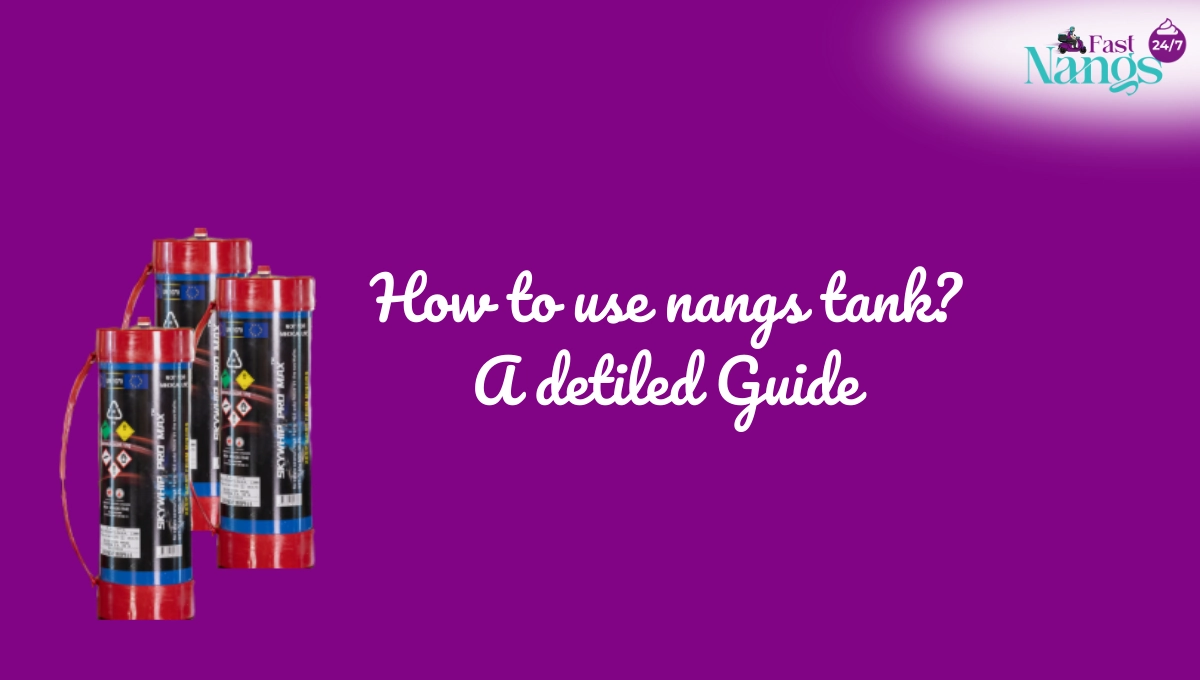
It’s a container filled with nitrous oxide (N2O) gas. These tanks were originally designed for legitimate culinary purposes, think professional kitchens whipping up fancy desserts or baristas creating those perfect foam toppings for your coffee.
The gas pressurizes whatever you’re working with, turning regular heavy cream into fluffy whipped cream in seconds.
These tanks come in different sizes. You’ve got your small individual chargers (usually about 8 grams each) and larger cylinders that hold more gas.
Knowing how to use a tank safely means understanding what size you’re dealing with and having the right equipment to match.
Let’s talk safety first:
We can’t stress this enough, safety isn’t optional here. These tanks contain gas under serious pressure, and treating them carelessly can lead to real problems. Here’s what you absolutely need to know before you start.
Keep your tank stored somewhere cool and dry. Heat and direct sunlight are bad news for pressurized containers. I’m talking about a cupboard or pantry, not next to your stove or in your car on a hot day.
Always use these tanks in a space with good airflow. Open a window, turn on a fan, or work somewhere with decent ventilation. You don’t want to be breathing in concentrated gas in a closed room.
Never and I mean never try to puncture, modify, or heat the tank. It’s tempting to get creative sometimes, but this is definitely not one of those times. Also, keep these away from kids and pets. Store them high up or in a locked cabinet.
Before you use your tank, give it a quick once-over. Check the expiration date if there is one, and look for any dents, rust, or damage. If something looks off, don’t use it.
Getting your gear together
Before we dive into how to use the nangs tank, let’s make sure you’ve got everything you need. You’ll want a cream whipper or dispenser, this is the device that actually holds your cream and distributes it. Make sure whatever tank you’ve got is compatible with your dispenser.
If you’re using a larger tank, you might need an adapter to connect it to your whipper. Check your equipment instructions to see what fits what. You’ll also need whatever ingredients you’re planning to whip. Heavy cream is the classic choice, but people get creative with all sorts of things. Finally, make sure you’ve got a clean workspace.
The Actual Step-by-Step Process
Alright, now we’re getting to the good stuff. Here’s how to use the nangs tank from start to finish.
Getting Your Whipper Ready
Start by making absolutely sure your cream whipper is clean and completely dry. Any water droplets or old residue will mess with your results. Take the head off the whipper by unscrewing it, this opens up the main canister where you’ll pour your ingredients.
Adding What You Want to Whip
Pour your heavy cream (or whatever you’re using) into the canister. Most whippers have a max fill line marked on the inside, don’t go past it. We know it’s tempting to squeeze in just a little more, but overfilling means the gas can’t circulate properly, and you’ll end up with disappointing results. If you’re making whipped cream, this is when you’d add sugar, vanilla, or whatever flavorings you like.
Sealing it up
Screw the head back onto the canister. You want it tight enough that it’s secure and won’t leak, but you don’t need to crank on it with all your strength. A firm hand-tightening is usually perfect. You should feel it seal without having to force it.
The charging process
This is the crucial part of how to use nangs tank, so pay attention. If you’re using those small individual chargers, you’ll insert one into the charger holder (it’s usually a small screw-on cap). Then screw that holder onto the pin on your dispenser head. You’ll hear a hissing sound, that’s the gas releasing into your canister. It only takes a few seconds.
For larger tanks, you’ll connect them using whatever adapter your setup requires. Follow the specific instructions that came with your equipment, because different brands do this slightly differently. The key thing is making that connection secure so gas flows properly without leaking.
Mixing it all together
Once you’ve charged the canister, remove the empty charger (or disconnect your tank if using a larger one). Now shake the whole dispenser vigorously for about ten to fifteen seconds. I’m not talking about a gentle swirl, really shake it. This distributes the gas evenly throughout your cream and gives you that perfect, consistent texture.
Testing your results
Turn the dispenser upside down, point the nozzle away from yourself (just in case), and press the lever. Your whipped cream should come out smooth and fluffy. If it seems runny or the texture isn’t quite right, give it another good shake and try again.
Cleaning up properly
When you’re done, you need to release any remaining pressure. Press the lever until nothing comes out anymore. Then unscrew the head and wash everything with warm, soapy water. Let it all dry completely before putting it away. This step matters more than you might think, proper cleaning keeps your equipment working well for years.
When things don’t go quite right
Even when you know how to use nangs tank correctly, sometimes things don’t work out perfectly. Here’s how to troubleshoot the most common issues.
If your cream isn’t whipping right, check your proportions. Too much liquid or not enough fat content in your cream can cause problems. Also, make sure you actually charged the canister, sometimes the charger doesn’t pierce properly on the first try.
Hearing gas leak out?
Stop what you’re doing and check all your connections. The head might not be screwed on tightly enough, or you could have a worn-out seal that needs replacing.
If the dispenser feels like it has way too much pressure, carefully release some by pressing the lever before you continue. Better safe than sorry.
Taking care of your equipment
If you want your setup to last, a little maintenance goes a long way. Store unused tanks in their original packaging if possible, and keep them somewhere temperature-controlled. Don’t leave them in your garage where temperatures swing wildly.
Your cream whipper needs to stay clean and dry between uses. Every few months, check the rubber seals and gaskets, they wear out eventually. Most kitchen supply stores sell replacement parts, and swapping them out is usually pretty simple.
Final thoughts
Learning how to use nangs tank doesn’t have to be complicated or intimidating. Once you’ve done it a few times, it becomes second nature, like riding a bike or making coffee in the morning. The key things to remember are safety first, proper technique second, and don’t be afraid to experiment once you’ve got the basics down.
Whether you’re making whipped cream for desserts, experimenting with foam toppings for drinks, or trying out molecular gastronomy techniques, your nangs tank can help you create some pretty impressive stuff.
Just take your time, follow the steps, and always prioritize doing things safely. With a bit of practice, you’ll be turning out professional-quality results in your own kitchen.
If you are looking to buy nangs tank in gold coast , then fast nangs is your preferred online premium nangs tank delivery partner.